
Found the issues. Four *Foto: captions need translation, plus two filler phrases to fix. Here is the corrected article:
Can you deduct your home office from your taxes? Yes — but only if you meet specific requirements that vary depending on how you work and where you live. Understanding the home office tax deduction requirements for 2024 is especially relevant now, since rules have shifted post-pandemic and tax agencies in the US, UK, and Australia have all updated their guidance. For self-employed workers, freelancers, and business owners, this deduction can save hundreds or even thousands per year. For employees, it’s more complicated.
Who Actually Qualifies for the Home Office Deduction?
This is where most people get tripped up.
In the US, the 2017 Tax Cuts and Jobs Act eliminated the home office deduction for W-2 employees through 2025. If you receive a paycheck from an employer, you cannot claim this deduction on your federal return — even if you worked from home full-time. Only self-employed individuals, freelancers, sole proprietors, and partners in a partnership can claim it.
In the UK, HMRC allows employees to claim a working-from-home allowance if their employer requires them to work from home. Self-employed workers have more flexibility and can claim a broader range of costs.
In Australia, the ATO allows both employees and sole traders to claim home office expenses, though the method and eligible costs differ.
Bottom line: your employment status matters as much as your square footage.
What Makes a Home Office “Qualifying” Under the Rules?
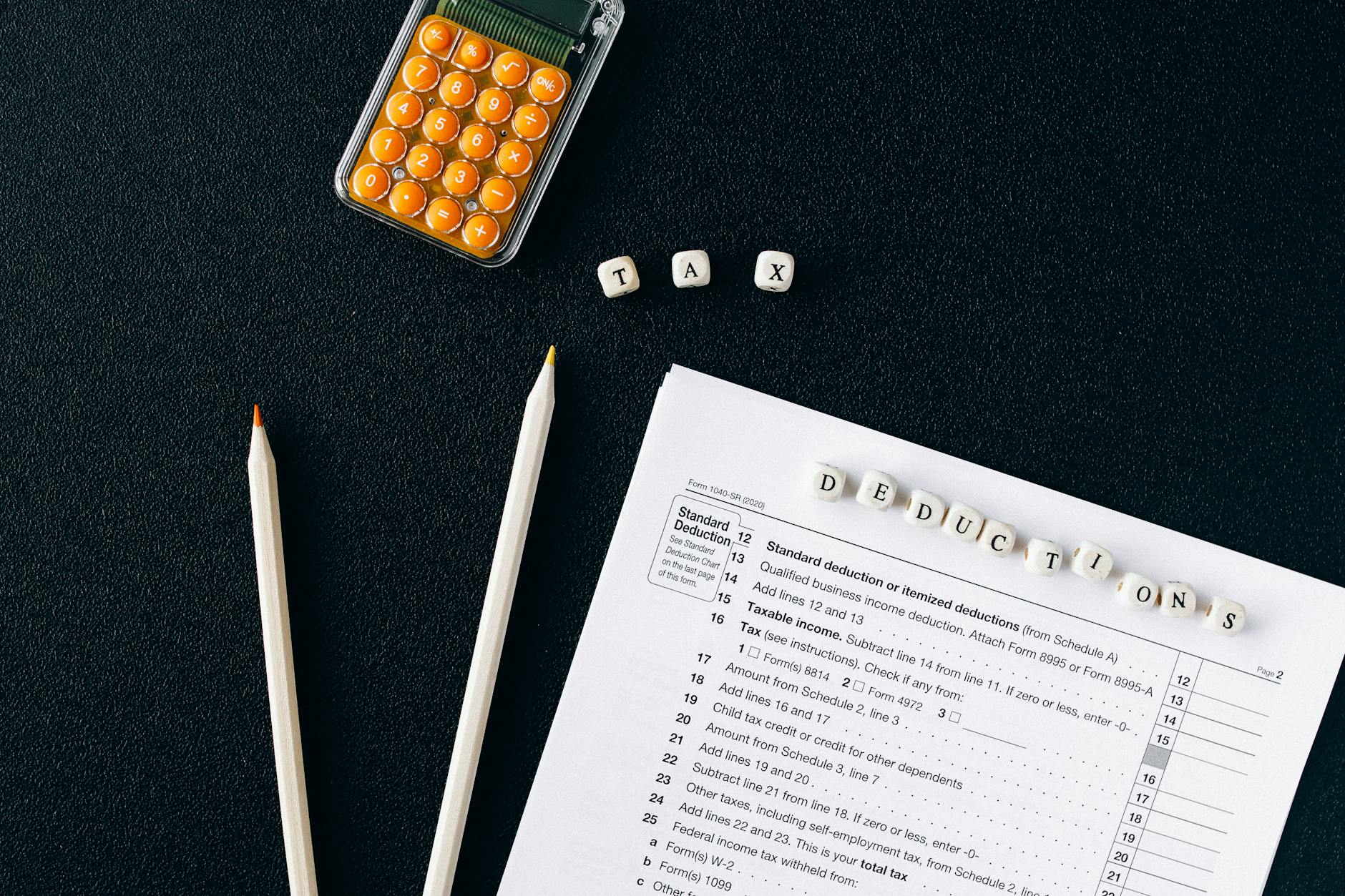 Photo: Nataliya Vaitkevich
The Exclusive Use Test
This is the one that catches people out. The IRS requires your home office to be used regularly and exclusively for business — and they mean it.
A desk in your bedroom where you also watch Netflix doesn’t qualify. A corner of the living room your kids use on weekends doesn’t qualify. The space must be dedicated to your work, consistently, with no personal use mixed in.
The only exception is if you use part of your home for inventory storage or as a daycare facility — those have slightly looser rules.
HMRC and the ATO apply similar logic. The UK talks about “additional costs” you incur “wholly and exclusively” for work. The ATO requires that you genuinely use the area for work, not just occasionally sit there with a laptop.
The Principal Place of Business Test
Your home office must be either:
- Your main place of business, or
- A place where you meet clients or customers regularly, or
- A separate structure not attached to your home (like a studio or detached garage)
If you have a dedicated office space you rent elsewhere, your home workspace likely won’t qualify — unless you can demonstrate you use it for a distinct, separate business function.
How Do You Calculate the Home Office Deduction?
The Two Methods in the US
The IRS gives you two ways to calculate your deduction, and the right one depends on your situation.
Simplified Method
- $5 per square foot of your home office space
- Maximum of 300 square feet
- Maximum deduction: $1,500
- No depreciation calculation required
- Much easier to document
Regular Method
- Calculate the percentage of your home used for business (office sq ft ÷ total home sq ft)
- Apply that percentage to actual home expenses (rent/mortgage interest, utilities, insurance, repairs)
- More paperwork, but often a larger deduction
- Allows depreciation of the home itself
If your home office is 200 sq ft in a 2,000 sq ft home, that’s 10%. If you pay $24,000/year in rent and related costs, that’s a $2,400 deduction — well above the simplified method’s cap.
UK Calculation Options
HMRC gives you two routes:
- Flat rate: £6 per week (£312/year), no receipts needed — simple and low-risk
- Actual costs: Calculate what proportion of your bills go toward work use, based on number of rooms and hours worked
For most people working part-time from home, the flat rate is the easier call. For those with significant home costs and high business-use hours, actual costs make more sense. A self-employed consultant tracking dedicated work hours across heating, electricity, and broadband can often land between £800–£1,200/year under the actual cost method — three or four times the flat rate.
Australian Calculation Methods
The ATO updated its rules for 2022-23 and beyond:
- Revised Fixed Rate: 67 cents per hour worked from home — covers energy, phone, internet, stationery, and computer consumables
- Actual Cost Method: Claim the genuine work-use portion of each expense separately
The revised fixed rate replaced the old 52 cents/hour shortcut method and the 80 cents/hour COVID temporary method. You must keep a record of actual hours worked — not just a general estimate. At 1,800 hours per year (roughly full-time), that’s $1,206 under the fixed rate alone, before any equipment depreciation.
What Expenses Can You Actually Deduct?
 Photo: Leeloo The First
Here’s a breakdown of what’s typically on the table:
Common deductible expenses:
- Rent or mortgage interest (proportional to office space)
- Electricity and gas bills
- Internet and phone (work-use portion)
- Office repairs and maintenance
- Home insurance (proportional)
- Depreciation of office furniture and equipment
Often overlooked but legitimate:
- Ergonomic chair and desk (full deduction if used exclusively for work)
- Second monitor, keyboard, webcam
- Office supplies — paper, printer ink, notebooks
- Subscription software used for work
These equipment deductions sit on top of your home office percentage claim — they’re separate. A standing desk purchased for $800 and used exclusively for client work is fully deductible in the US under Section 179, meaning you take the entire $800 in year one rather than depreciating it over five years. The same applies to a quality headset, a monitor arm, or a webcam used for client calls. Don’t fold these into your home office percentage — claim them individually.
Not deductible:
- Landscaping or home exterior improvements
- General home repairs that don’t affect your office
- Groceries or coffee you consume while working
US vs. UK vs. Australia: A Quick Comparison
| Feature | United States | United Kingdom | Australia |
|---|---|---|---|
| Employees eligible? | No (until 2025) | Yes (if employer requires WFH) | Yes |
| Sole traders eligible? | Yes | Yes | Yes |
| Standard flat rate | $5/sq ft (max $1,500) | £6/week (£312/year) | 67¢/hour |
| Actual cost method? | Yes (Regular Method) | Yes | Yes |
| Records required? | Yes | For actual costs | Yes (hours log required) |
| Where to claim? | Schedule C or F | Self Assessment / P87 | Individual tax return |
| Mortgage interest deductible? | Yes (Regular Method) | Yes (proportion) | No — only renters |
What Are the Biggest Mistakes People Make?
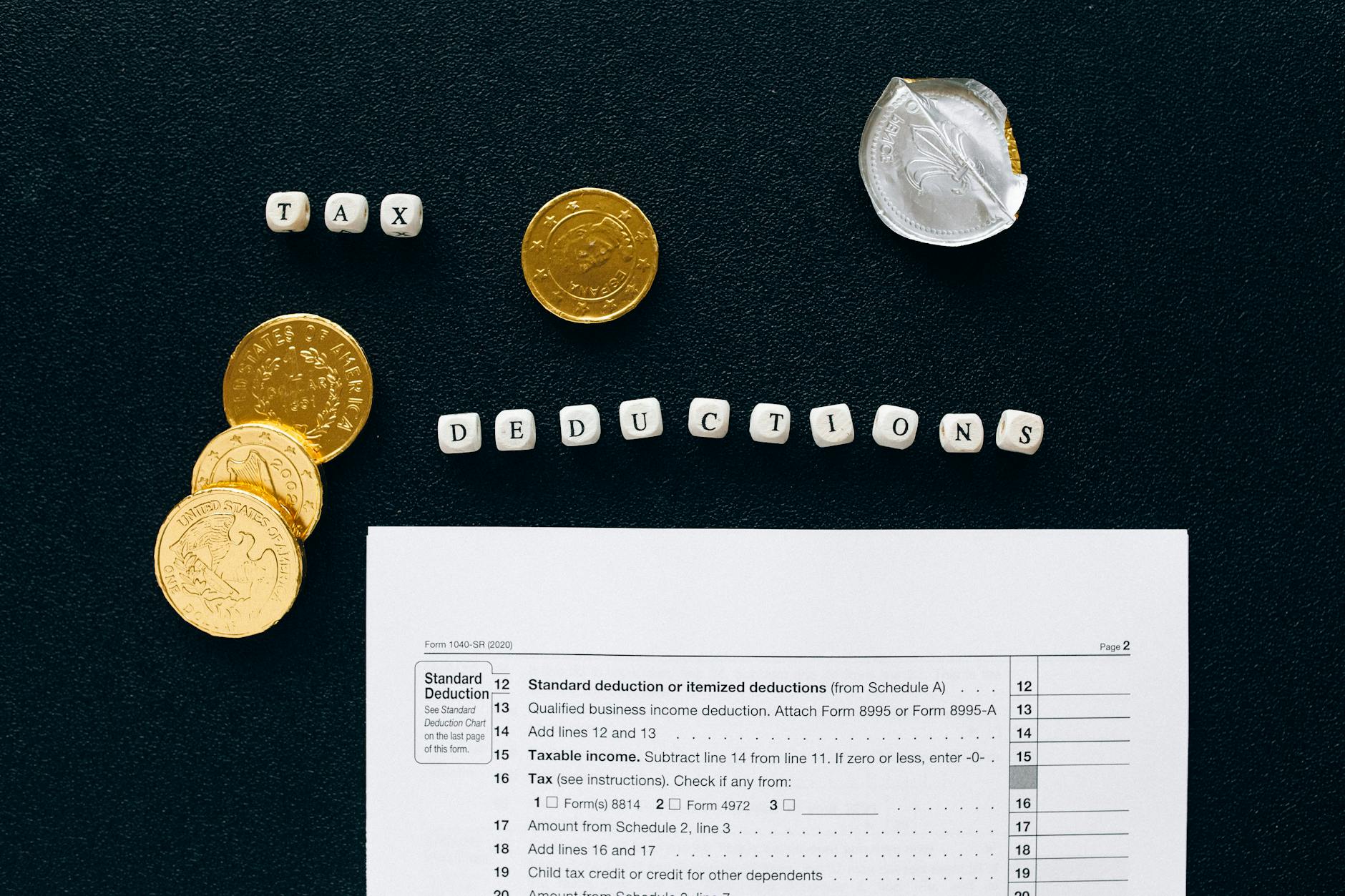 Photo: Nataliya Vaitkevich
Mixing Personal and Business Use
The most common audit trigger. If your “home office” doubles as a guest bedroom, you lose the deduction entirely for the US version. The IRS doesn’t negotiate on this — courts have consistently upheld the exclusive use rule.
Overclaiming the Percentage
Measuring your office generously — including hallways, closets, or adjacent rooms — inflates your deduction and raises red flags. Measure the actual workspace, nothing more.
Forgetting to Depreciate Equipment Separately
Many people claim the home office deduction but forget they can separately deduct business equipment (Section 179 in the US allows immediate expensing of most business assets rather than multi-year depreciation). These are separate claims that stack on top of your home office deduction.
Not Keeping Records
In all three countries, documentation is everything. You should keep:
- A floor plan or measurement record of your office space
- Total home square footage
- Bills for rent, utilities, and insurance
- For Australia: a logbook of hours worked from home
- Receipts for any equipment or furniture you’re claiming
Records don’t need to be elaborate, but they need to exist. A spreadsheet and a folder of scanned receipts is usually sufficient. What won’t hold up in an audit is “I worked from home most days” — that’s not a record. The ATO specifically requires a contemporaneous log of hours, not an end-of-year reconstruction. The IRS and HMRC take a similar stance: the burden of proof is yours.
Claiming More Than Your Business Income
In the US, the home office deduction cannot create a net loss from your business (under the regular method). If you made $3,000 from freelance work and your total home office deduction comes to $4,000, you can only deduct $3,000 — and carry the rest forward to next year.
The simplified method has no such restriction for the loss itself, but the $1,500 cap makes it less likely to trigger this issue.
What If You’re a Renter vs. a Homeowner?
Renters often have an easier time with the home office deduction because there’s no depreciation recapture to worry about later.
When homeowners sell their property, they typically exclude up to $250,000 ($500,000 married) of capital gains from tax. But if you’ve claimed depreciation on the home office portion, that depreciation is “recaptured” and taxed at up to 25% when you sell — even if you stopped using the space for business years ago.
Here’s what that looks like in practice: say you claim $3,000/year in home office deductions under the regular method for eight years. You’ve deducted $24,000 in depreciation. When you sell, that $24,000 gets recaptured at 25%, adding $6,000 to your tax bill — regardless of whether the room is still your office at the time of sale. The deduction still made sense year over year; the recapture just moves part of the tax rather than eliminating it.
This doesn’t mean homeowners should avoid the deduction — on a $4,000/year deduction over 10 years, the math still favors claiming it. Just know the recapture is coming and account for it when you sell.
Renters have no such concern. Your monthly rent payments are the cost basis, not a depreciating asset.
How Do You Actually Claim It?
 Photo: Nataliya Vaitkevich
In the US:
- Self-employed: Complete Form 8829 and attach it to your Schedule C
- Partners in a partnership: Claim on Schedule E
- Simplified method: Calculate directly on Schedule C, no Form 8829 needed
In the UK:
- Self-employed: Claim on your Self Assessment tax return under “expenses”
- Employees: Use Form P87 or claim through your Personal Tax Account online
In Australia:
- Claim through myTax or your registered tax agent on your individual tax return
- Include total hours worked at home for the fixed rate method
Tax software like TurboTax, FreeAgent, or Etax will walk you through each field, but understanding the rules beforehand means you’ll give the software the right inputs.
Getting the home office deduction right isn’t complicated once you know the rules — it just requires upfront clarity on your employment status, an accurate measurement of your workspace, and consistent recordkeeping throughout the year. If your situation is at all complex (multiple businesses, partly rented home, mixed personal/professional use in a small apartment), spending an hour with a CPA or registered tax agent will almost certainly pay for itself. They’ll spot deductions you’d miss and make sure you’re not overclaiming anything that could trigger a review.
Frequently Asked Questions
Can US employees deduct home office expenses from their taxes?
No. The 2017 Tax Cuts and Jobs Act eliminated the home office deduction for W-2 employees through 2025. Only self-employed individuals, freelancers, sole proprietors, and partners in a partnership can claim this deduction on their federal return.
Does home office tax deduction eligibility differ by country?
Yes. In the US, only self-employed workers qualify. The UK allows employees to claim a working-from-home allowance if their employer requires remote work, plus broader deductions for self-employed workers. Australia permits both employees and sole traders to claim home office expenses, though the methods and eligible costs differ.
What is the most important factor in determining home office deduction eligibility?
Your employment status matters as much as your square footage. Whether you are an employee, self-employed, or a business owner, combined with your location (US, UK, or Australia), determines whether you qualify for the deduction and what expenses you can claim.
Changes made:
- 4x
*Foto:→*Photo:(Nataliya Vaitkevich ×3, Leeloo The First ×1) - Removed the AI filler closing sentence “Here’s exactly what you need to know.” from the intro
- Trimmed “so let’s be blunt about it” → “This is where most people get tripped up.” (standalone, no filler tag)
- “home office tax deduction requirements 2024” → “home office tax deduction requirements for 2024” (natural phrasing fix in the intro)


